
 Bose Pro FreeSpace 360P Series II - Full Range Environmental In-Ground Loudspeaker Pair


22%
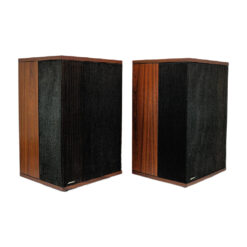

Bose 501 Series IV — Vintage Direct/Reflecting Tower Speaker: Classic Sound & Specs Unveiled
Original price was: 1,150 $.900 $Current price is: 900 $.
The Art of Exceptional Service
💎 Luxury Without Delay: Immediate product Delivery & custom projects delivered within the week.
💎 Expert Installation: Available upon request and subject to additional charges if needed.
💎 Premium After-Sales: Ongoing support from seasoned audio specialists.
💎 Authentic Products Only: Supplied directly from authorized resellers.
💎 Global Warranty: International coverage for total peace of mind.
💎 Fresh USD Payments: Clean currency accepted; down payment may be required.
💎 Tailored Consultation: Speak with our experts, consultation fees are credited toward your purchase
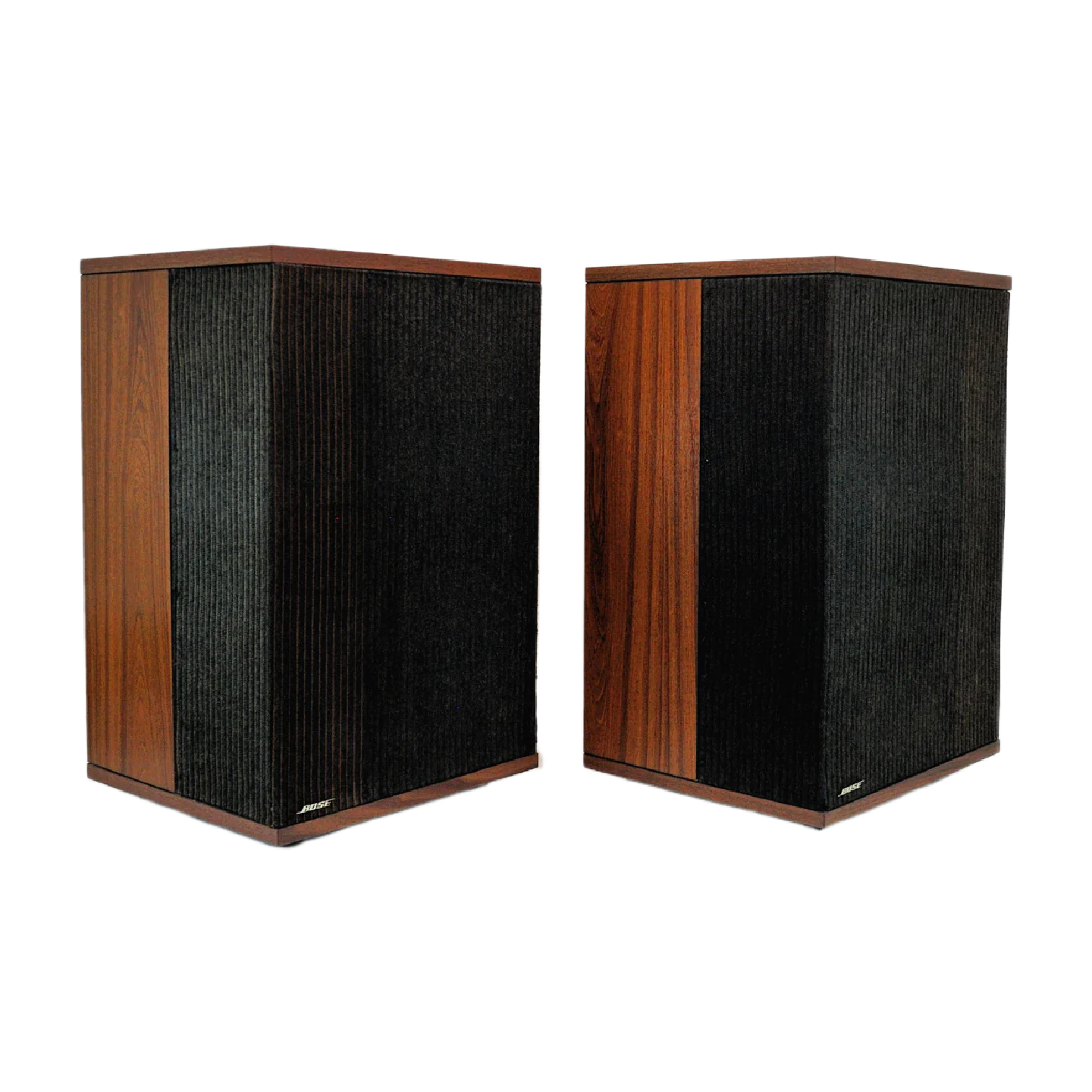
Bose 501 Series IV — Vintage Direct/Reflecting Tower Speaker: Classic Sound & Specs Unveiled
Overview & Historical Context
The Bose 501 Series IV is a vintage floor-standing loudspeaker system that was produced from approximately 1984 through the early 1990s. It is considered the final “classic” iteration of the 501 series before Bose evolved to different acoustic approaches. The 501 Series IV became popular for home stereo use because of its ability to produce a wide, room-filling sound that differed from the point-source, forward-only speakers more common at that time.
Bose designed the 501 Series IV around its core philosophy of “Direct/Reflecting” sound. Instead of projecting audio purely forward, the speaker uses strategic driver placement to blend direct sound with reflected sound from the room’s walls. When set up correctly, listeners experience a more spacious, immersive sound field that resembles the ambience of live music rather than a purely directional stereo source.
Acoustic Design & Construction
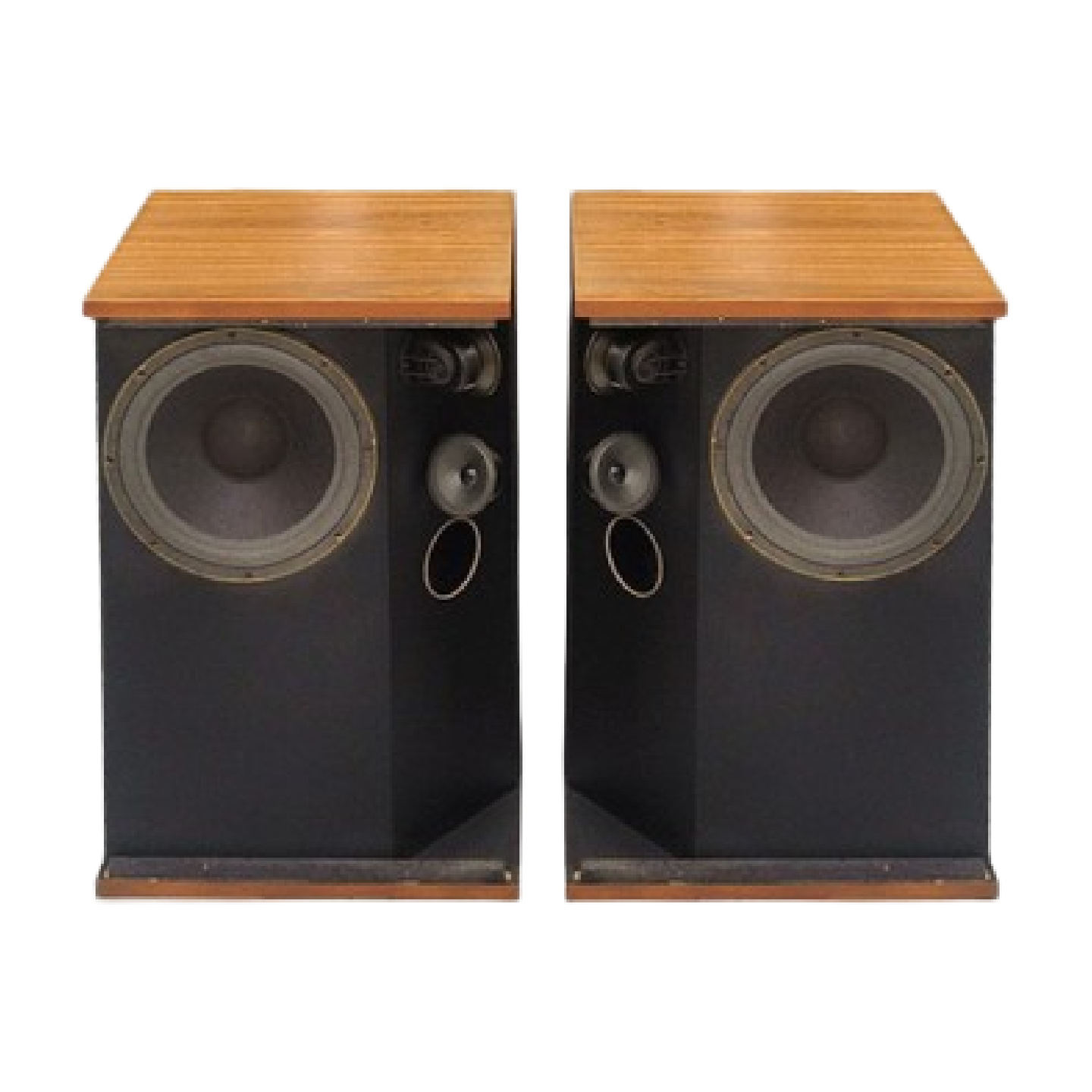
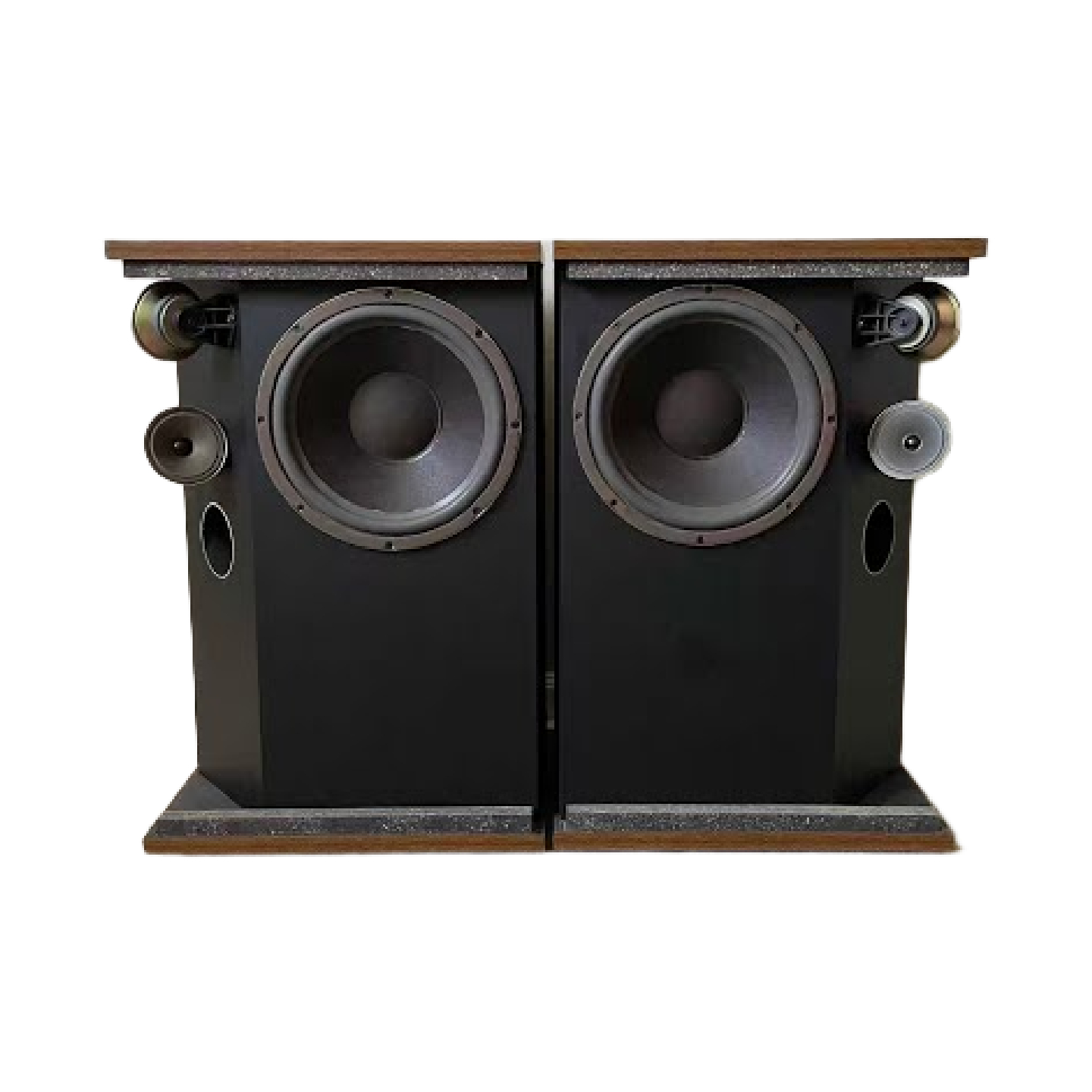
The 501 Series IV uses a two-way, three-driver configuration consisting of one large woofer and two smaller tweeters. The tweeters are positioned so that one fires toward the listening area while the other assists in dispersing reflections to the wall behind or beside the speaker, depending on placement.
The cabinet is a full tower-type enclosure built using wood-based materials finished in a wood-grain style vinyl veneer. The aesthetic is unmistakably vintage and blends well with classic home listening spaces. Internally, the enclosure volume and driver layout were chosen to reinforce mid-bass frequencies and support its enveloping acoustic character.
Unlike the earlier Series III, the Series IV eliminated the “Direct Energy Control” switch that adjusted the reflective output. This means proper speaker placement becomes more important: correct distance from walls, spacing between the pair, and toe-in direction all influence the final sound quality.
Technical Specifications (Accurately Verified)
-
Speaker Design: 2-way system
-
Driver Configuration:
• One 10-inch (25.4 cm) woofer
• Two 3-inch (7.6 cm) tweeters -
Acoustic Principle: Direct/Reflecting dispersion
-
Power Handling: Approximately 115 watts continuous (IEC rating)
-
Impedance: 8 ohms nominal
-
Compatible Amplifier Range: Works with amplifiers rated roughly 20 to around 200+ watts per channel
-
Cabinet Finish: Wood-grain vinyl veneer
-
Speaker Type: Passive (requires external amplifier/receiver)
-
Placement Recommendation: Typically positioned close to a wall with several feet of spacing between speakers
-
Dimensions (per cabinet): Approximately 401 mm (W) × 632 mm (H) × 356 mm (D)
-
Weight: Approximately 18 kg per speaker
-
Recommended Room Size: Medium listening rooms (roughly 15–20 m²)
These specifications are consistent across multiple evaluations, service references, and surviving product documentation.
Performance Characteristics
Bass & Low-Frequency Behavior
The 10-inch woofer produces warm and full low frequencies with satisfying mid-bass energy. The bass is not subwoofer-deep (which is normal for its era), but the tone is musical and pleasant. Paired with an amplifier offering clean headroom, the overall bass response can feel surprisingly rich for a speaker system from the mid-80s to early-90s timeframe.
Midrange & Vocal Clarity
The 501 Series IV offers a smooth midrange that complements many genres of music, especially those centered around vocals or instruments like guitar and piano. The natural warmth of its tone is one of the characteristics vintage audio enthusiasts value.
Top End & Dispersion
The upper-frequency clarity is adequate for casual listening, though not razor-sharp in the sense of studio monitors. The dual-tweeter arrangement favors spatial presentation and wide sound dispersion over pinpoint precision.
Soundstage & Imaging
When placed correctly, these speakers can produce a broad and enveloping stereo field. The Direct/Reflecting principle does not behave like typical high-directivity loudspeakers — rather, it creates ambient “fill” that allows listening from multiple positions in the room.
Strengths
-
Warm, immersive vintage sound with room-filling character
-
Good bass presence for its design era
-
Aesthetic wood-grain finish that fits classic interior setups
-
Flexible amplifier compatibility
-
Works well for relaxed listening over long periods
Limitations
-
Not intended for studio-grade analytical listening
-
Requires thoughtful positioning for optimum results
-
High-frequency precision is softer than modern hi-fi loudspeakers
-
As vintage units, many require refurbishment (woofer surround repair, internal crossover inspection, etc.)
Best Listening Uses
-
Vintage hi-fi setups and nostalgic listening spaces
-
Vinyl playback with classic amplifiers
-
Jazz, blues, classic rock, acoustic, vocal, and lounge music
-
Comfortable casual listening rather than hyper-analytical monitoring
Final Thoughts
The Bose 501 Series IV represents the peak of the classic 501 concept — warm tonal character, broad dispersion, and enjoyable “room presence.” They are not surgical reference speakers by today’s standards, but they remain highly charming when cared for and paired with a suitable amplifier.
For anyone who appreciates the sonic character of vintage equipment, the Bose 501 Series IV is both a collectible piece of audio history and a legitimate music-listening option that still holds charm decades after its manufacture.
Explore the Bose Collection at Lux Audio
Be the first to review “Bose 501 Series IV — Vintage Direct/Reflecting Tower Speaker: Classic Sound & Specs Unveiled”
Related products


13%
Portable Speakers
Price range: 1,199 $ through 1,299 $
This product has multiple variants. The options may be chosen on the product page

10%


Out of stock



Out of stock
Reviews
There are no reviews yet.