

How Much Amplifier Power Do You Really Need?
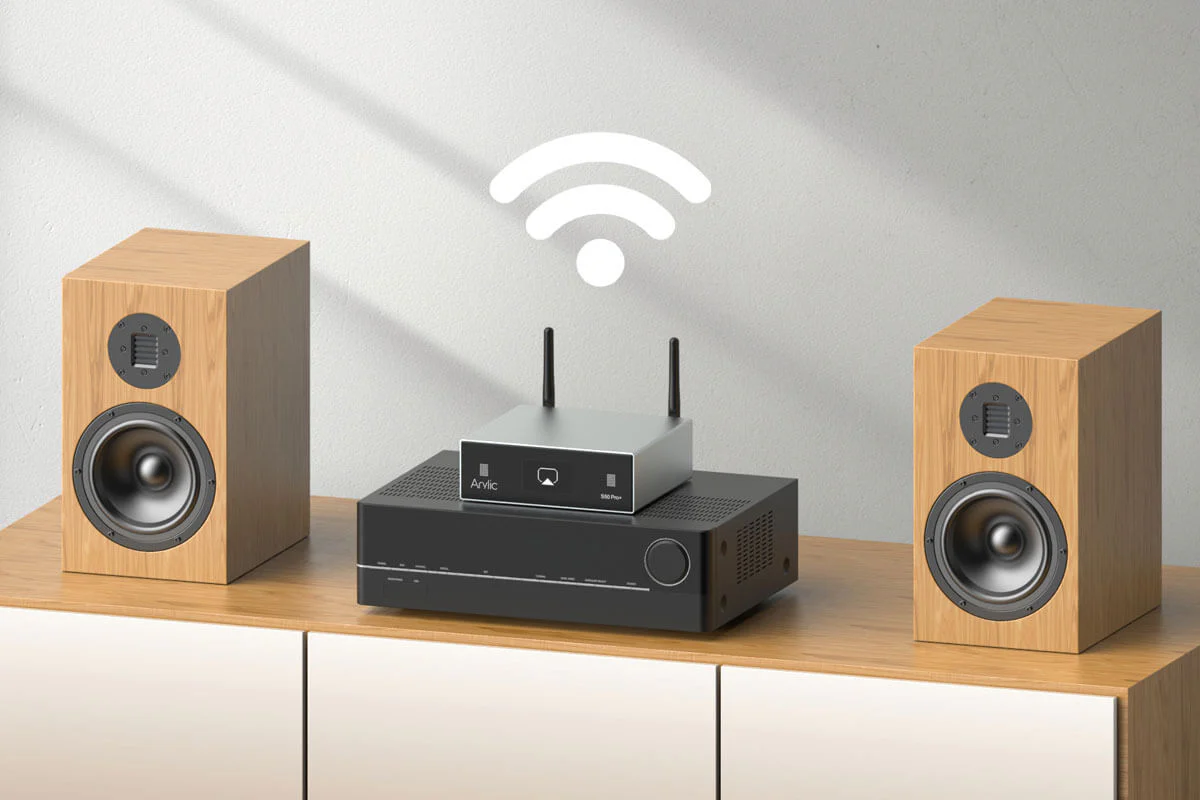
Understanding Watts, Speaker Sensitivity, and Real-World Performance
One of the most common misconceptions in audio is that a more powerful amplifier automatically means better sound. Many buyers focus heavily on wattage specifications, believing that higher numbers guarantee superior performance. In reality, amplifier power is only one part of the equation.
When choosing an amplifier for a stereo system, home theater, or luxury audio setup, factors such as speaker sensitivity, room size, listening distance, and listening habits often matter more than raw wattage figures.
In Lebanon, homeowners building hi-fi systems and home theaters frequently ask: “How many watts do I really need?” The answer depends on several variables, and understanding them can help you avoid overspending or underpowering your system.
This guide explains amplifier power in practical terms and helps you choose the right amplifier for your speakers and room.
What Does Amplifier Power Mean?
Amplifier power is usually measured in watts per channel.
A watt represents the amplifier’s ability to deliver electrical energy to a speaker.
For example:
- 50 Watts per Channel
- 100 Watts per Channel
- 150 Watts per Channel
- 200 Watts per Channel
However, these numbers alone do not determine how loud a system will play.
Many other factors influence real-world performance.
The Biggest Audio Myth: More Watts Equals Better Sound
One of the most common myths in audio is that doubling amplifier power doubles the volume.
It does not.
The relationship between amplifier power and perceived loudness is logarithmic.
For example:
- 10 Watts → Baseline
- 100 Watts → Only about twice as loud
- 1000 Watts → Only about four times as loud
This surprises many first-time buyers.
A properly designed 50-watt system can often outperform a poorly matched 200-watt system.
Speaker Sensitivity Matters More Than Most People Think
Speaker sensitivity has a major impact on how much amplifier power is required.
Sensitivity measures how loud a speaker becomes when fed one watt of power at a distance of one meter.
Examples:
- 85 dB Sensitivity
- 88 dB Sensitivity
- 91 dB Sensitivity
- 95 dB Sensitivity
A speaker with higher sensitivity requires less amplifier power to achieve the same volume level.
Understanding Speaker Sensitivity
For example:
Speaker A:
- 85 dB sensitivity
Speaker B:
- 91 dB sensitivity
Speaker B will produce significantly more volume using the same amplifier power.
This is why highly efficient speakers often perform exceptionally well even with moderate amplifier power.
Brands known for efficient speaker designs include:
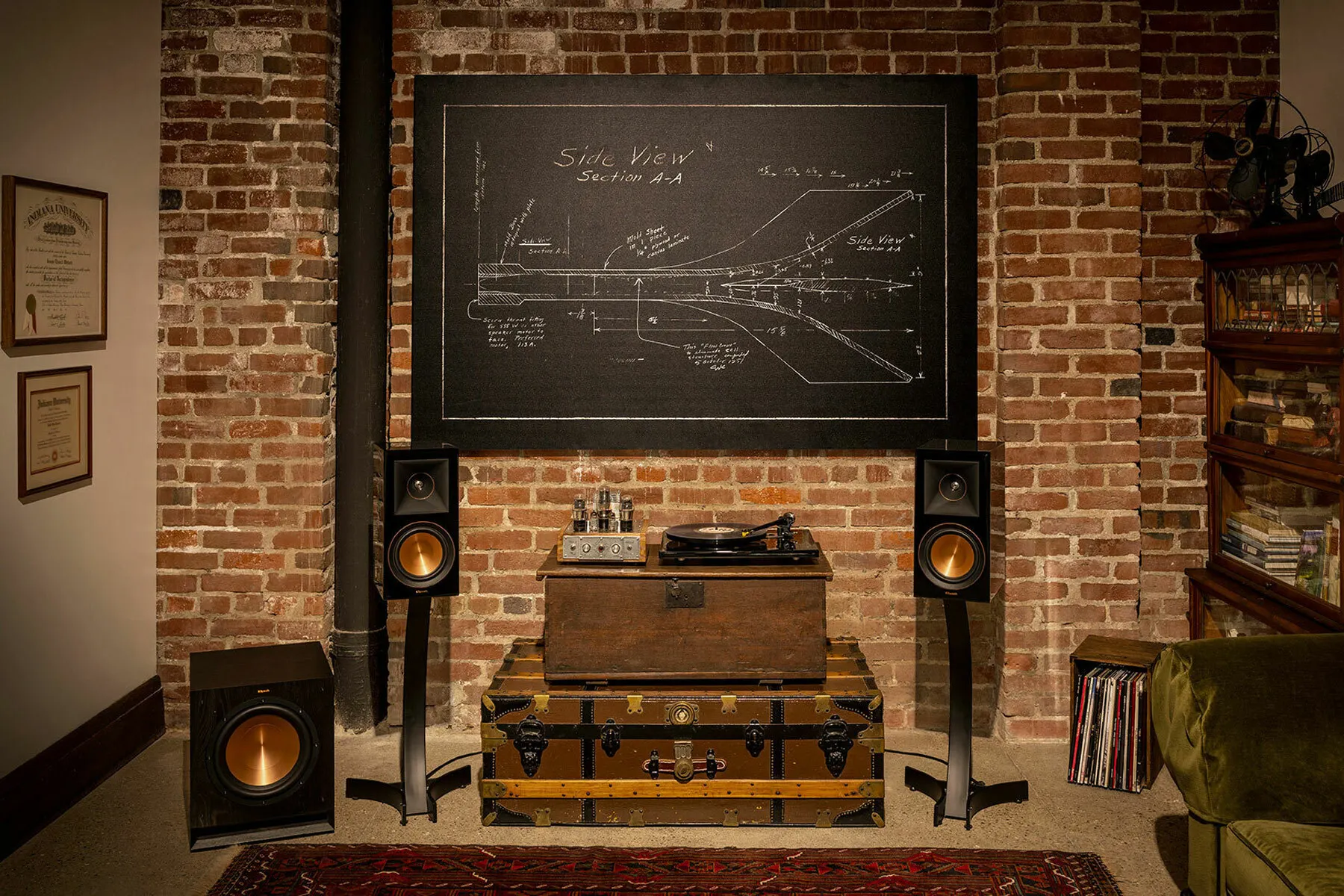
- Klipsch
While many audiophile-focused brands prioritize accuracy and refinement rather than maximum efficiency.
Examples include:
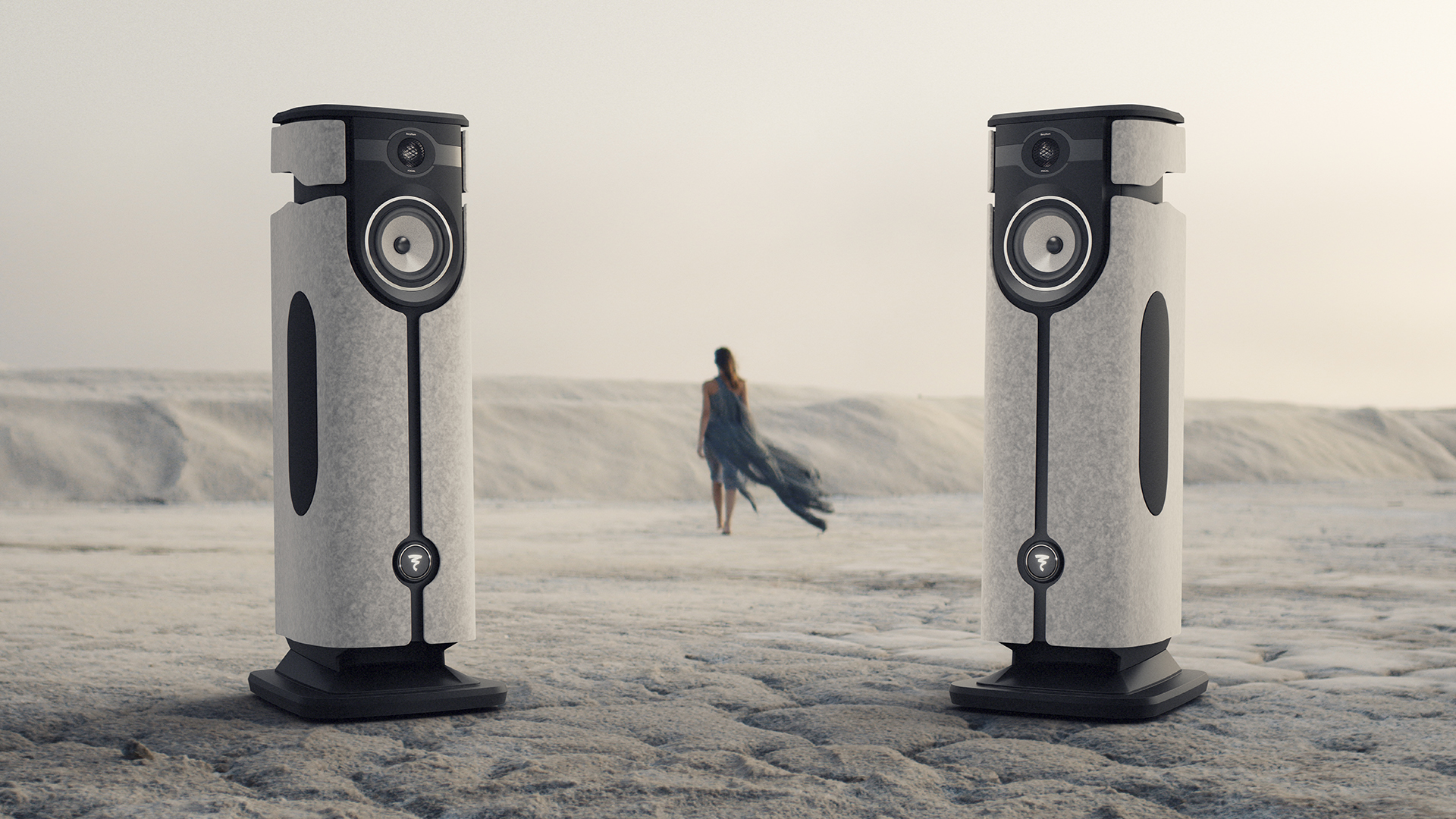
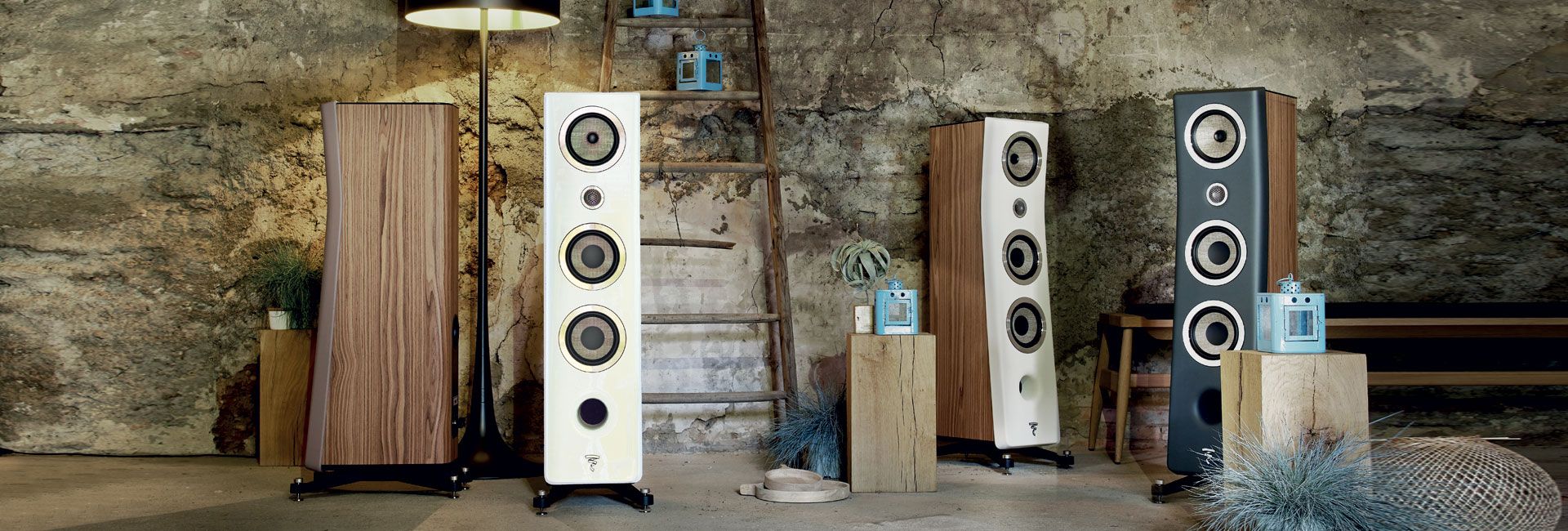
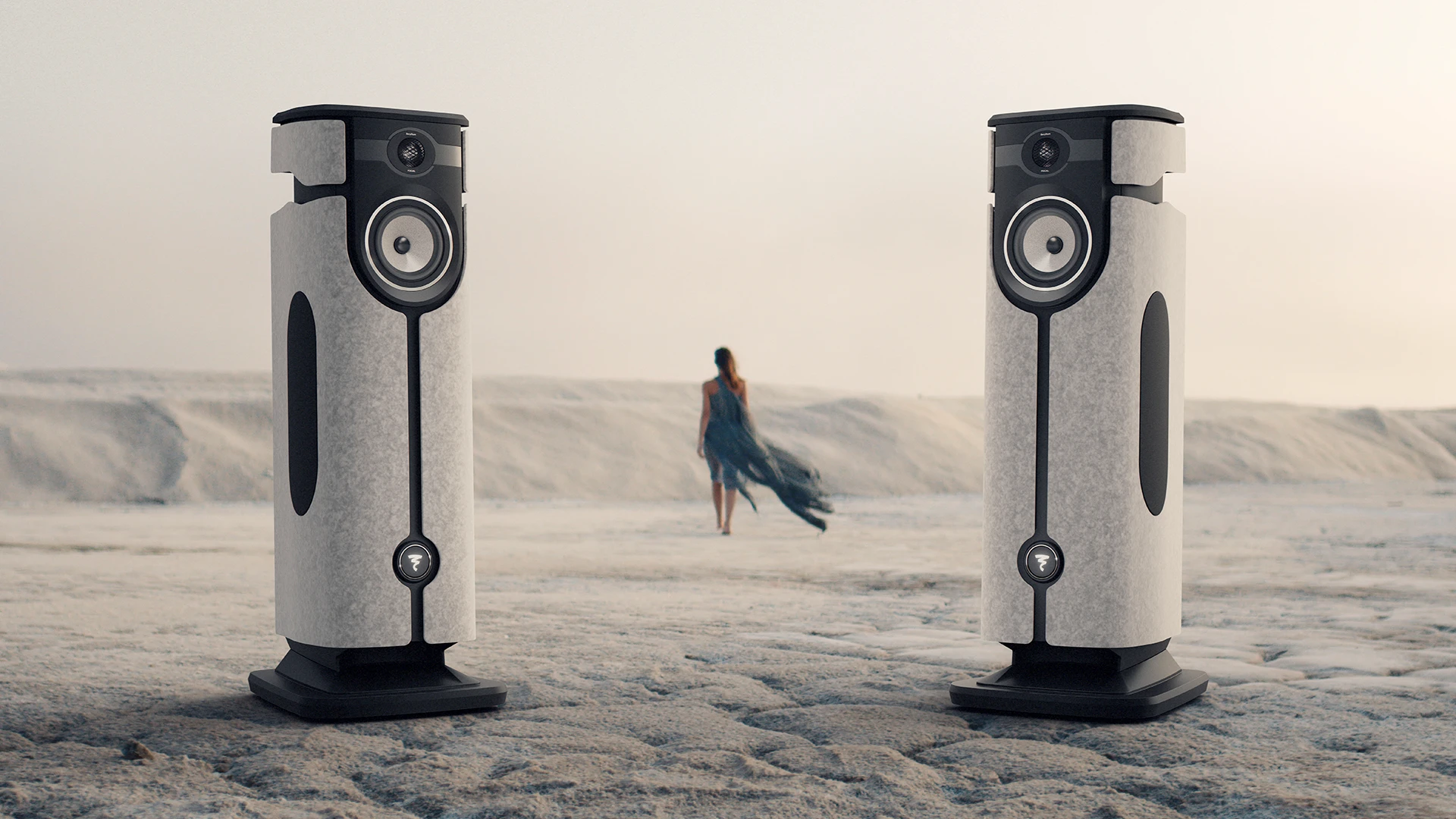
- Focal
- Cabasse
- Davis Acoustics
Why Room Size Changes Everything
The larger the room, the more amplifier power is typically required.
Small Rooms
Examples:
- Bedrooms
- Offices
- Apartments
Typical requirement:
- 30–80 Watts per channel
Medium Rooms
Examples:
- Living rooms
- Family rooms
Typical requirement:
- 60–150 Watts per channel
Large Rooms
Examples:
- Open-plan living spaces
- Luxury entertainment rooms
Typical requirement:
- 100–250+ Watts per channel
Listening Habits Matter
Not everyone listens at the same volume.
Casual Listening
Background music usually requires very little power.
Typical requirement:
- 10–30 Watts
Serious Music Listening
Higher dynamic peaks require additional amplifier headroom.
Typical requirement:
- 50–150 Watts
Home Theater Enthusiasts
Movies contain large dynamic swings.
Explosions and action scenes may require substantial short-term power reserves.
Typical requirement:
- 80–200+ Watts
Understanding Amplifier Headroom
Headroom refers to extra amplifier power available for brief dynamic peaks.
Music and movies are highly dynamic.
An amplifier operating comfortably below its maximum output often sounds cleaner and more controlled than one constantly pushed near its limits.
This is one reason why properly matched amplification often sounds better than simply choosing the highest wattage available.
Why Underpowering Can Be Dangerous
Many people assume small amplifiers are safer.
This is not always true.
When an amplifier is pushed beyond its limits, it can begin clipping.
Clipping introduces distortion that can damage speaker drivers.
A quality amplifier operating within its comfort zone is generally safer than a small amplifier being driven excessively hard.
Do You Need a Separate Amplifier?
The answer depends on your system.
Active Speakers
Active speakers contain built-in amplification.
Examples include some products from:
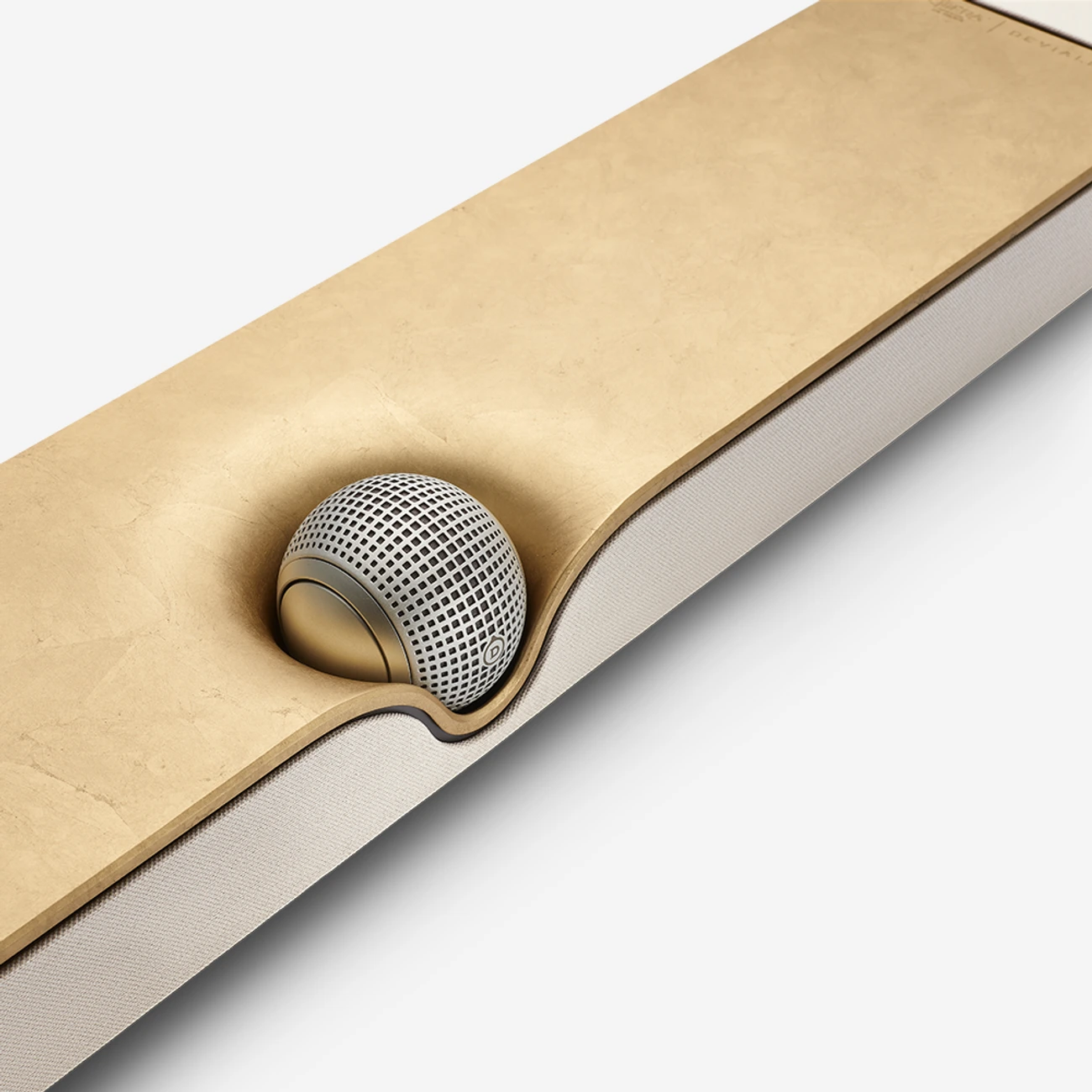
- Devialet
- Cabasse
- Genelec
No separate amplifier is required.
Passive Speakers
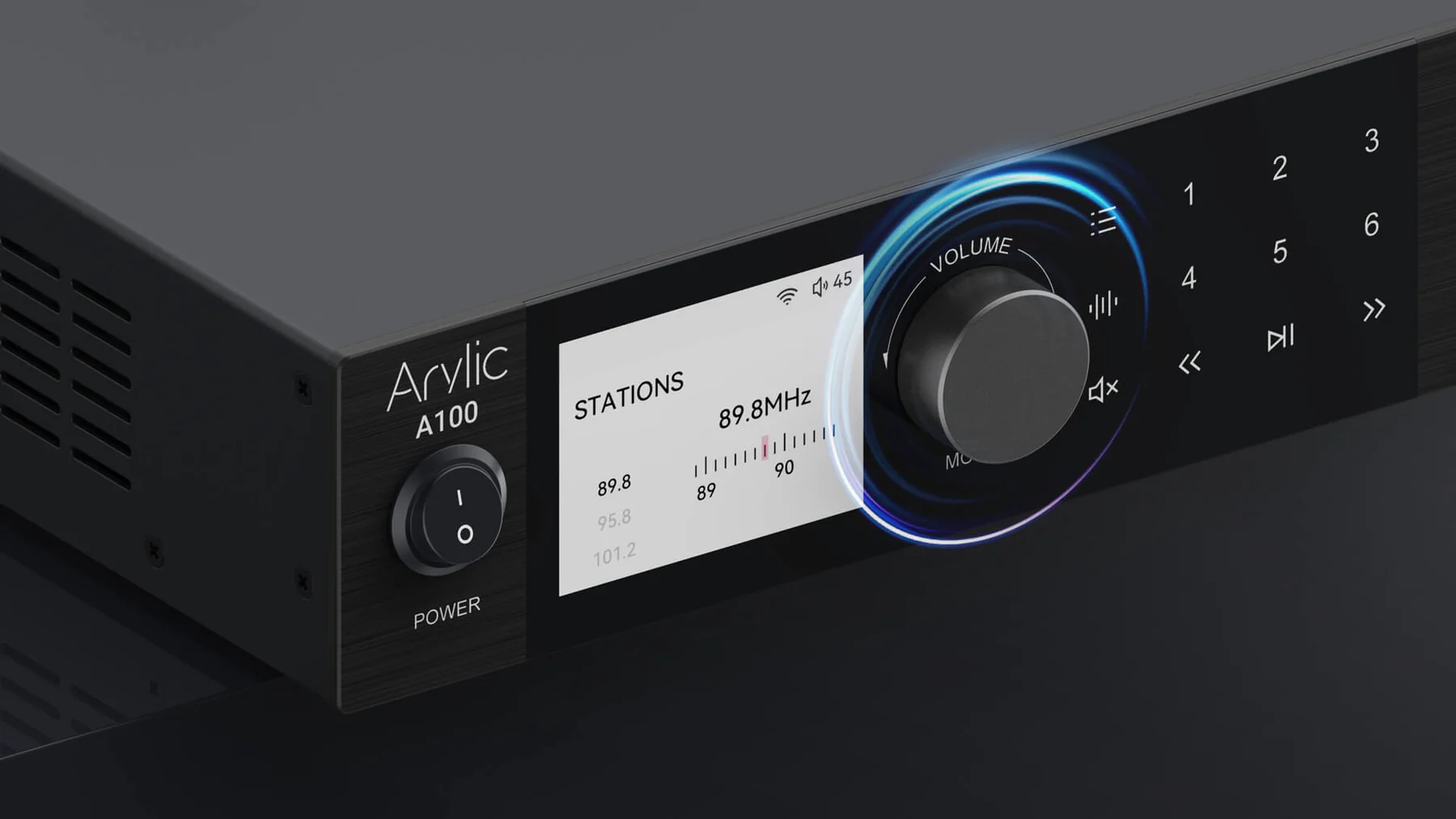
Passive speakers require an external amplifier or AV receiver.
Popular amplifier and receiver manufacturers include:
- Denon
- Yamaha
- Onkyo
Amplifier Power for Stereo Systems
For most premium stereo systems:
Small Room
- 50–80 Watts per channel
Medium Room
- 80–150 Watts per channel
Large Room
- 150–250 Watts per channel
These are general guidelines rather than strict rules.
Speaker sensitivity remains a major factor.
Amplifier Power for Home Theater Systems
Home theater requirements differ because multiple channels share the workload.
Typical recommendations:
5.1 Systems
- 80–120 Watts per channel
5.1.2 Dolby Atmos
- 80–150 Watts per channel
5.1.4 Dolby Atmos
- 100–150 Watts per channel
7.1.4 Dolby Atmos
- 100–200 Watts per channel
Proper speaker matching is often more important than increasing wattage.
Common Mistakes When Choosing an Amplifier
Choosing Based Only on Watts
Power alone does not determine sound quality.
Ignoring Speaker Sensitivity
Efficient speakers require significantly less power.
Ignoring Room Size
Large rooms often require more amplifier headroom.
Buying the Cheapest Amplifier
Build quality and power supply design matter greatly.
Not Planning for Future Expansion
Consider whether future upgrades may require additional channels or power.
Why Work With an Audio Consultant in Lebanon?
Choosing the right amplifier involves much more than comparing wattage figures.
Factors such as:
- Speaker sensitivity
- Speaker impedance
- Room size
- Listening distance
- Music preferences
- Home theater requirements
- Future upgrade plans
all influence the ideal amplifier choice.
At Lux Audio, we provide residential audio consultancy and home theater consultancy services throughout Lebanon.
Whether you’re building a two-channel hi-fi system, a multiroom audio setup, or a Dolby Atmos home theater, we help ensure that speakers and amplification are properly matched for optimal performance.
Frequently Asked Questions
Is 50 watts per channel enough?
For many speakers and small to medium-sized rooms, yes.
Speaker sensitivity and listening habits play a major role.
Is 100 watts per channel enough for a home theater?
In many cases, absolutely.
A quality 100-watt amplifier can drive many premium speakers effectively.
Can too much amplifier power damage speakers?
Yes, but only if the speakers are pushed beyond their limits.
Proper system matching is important.
What matters more: watts or speaker sensitivity?
Speaker sensitivity often has a greater impact on achievable volume levels.
Should I buy a larger amplifier than I need?
Moderate headroom is beneficial, but excessive power is not always necessary.
Audio Consultancy in Lebanon
At Lux Audio, we provide professional residential audio consultancy and home theater consultancy services across Lebanon.
Whether you are choosing amplifiers, speakers, AV receivers, multiroom systems, or designing a complete home theater, our team can help identify the ideal combination based on your room, listening habits, and performance expectations.
Our goal is to help clients throughout Lebanon achieve exceptional sound quality while avoiding costly compatibility mistakes.
Conclusion
Amplifier power is important, but it is only one part of a successful audio system.
Speaker sensitivity, room size, listening habits, and system design often have a greater impact on performance than wattage alone.
Rather than focusing exclusively on large power numbers, the goal should be selecting an amplifier that properly matches your speakers and provides adequate headroom for your intended use.
If you’re planning a stereo system, multiroom installation, or home theater in Lebanon and are unsure how much amplifier power you need, contact Lux Audio for professional consultancy and personalized system recommendations tailored to your space and listening goals.
The Trinity of Sound
Empowering Sound. Elevating Creativity.
At Lux Audio, our mission is to empower musicians, producers, and artists by delivering exceptional audio production services that transform their creative visions into sonic masterpieces. We are dedicated to blending innovation, artistry, and technical expertise to craft immersive soundscapes that inspire and elevate every performance, recording, and production. By fostering collaboration and pushing the boundaries of audio excellence, we strive to be the trusted partner for creators worldwide.