

Active vs Passive Speakers Explained
The Complete Guide to Choosing the Right Speaker Type
When shopping for speakers, one of the most important decisions you’ll encounter is whether to choose active speakers or passive speakers. While both can deliver exceptional sound quality, they are designed differently and cater to different needs, environments, and listening preferences.
Understanding the differences between active and passive speakers will help you make a smarter investment, whether you’re building a home audio system, a Dolby Atmos home theater, a music production setup, or a luxury entertainment space.
In Lebanon, more homeowners are investing in premium audio systems, but many buyers are unsure which speaker type best suits their needs. This guide explains the differences, advantages, disadvantages, and ideal applications of both active and passive speakers.
What Are Active Speakers?
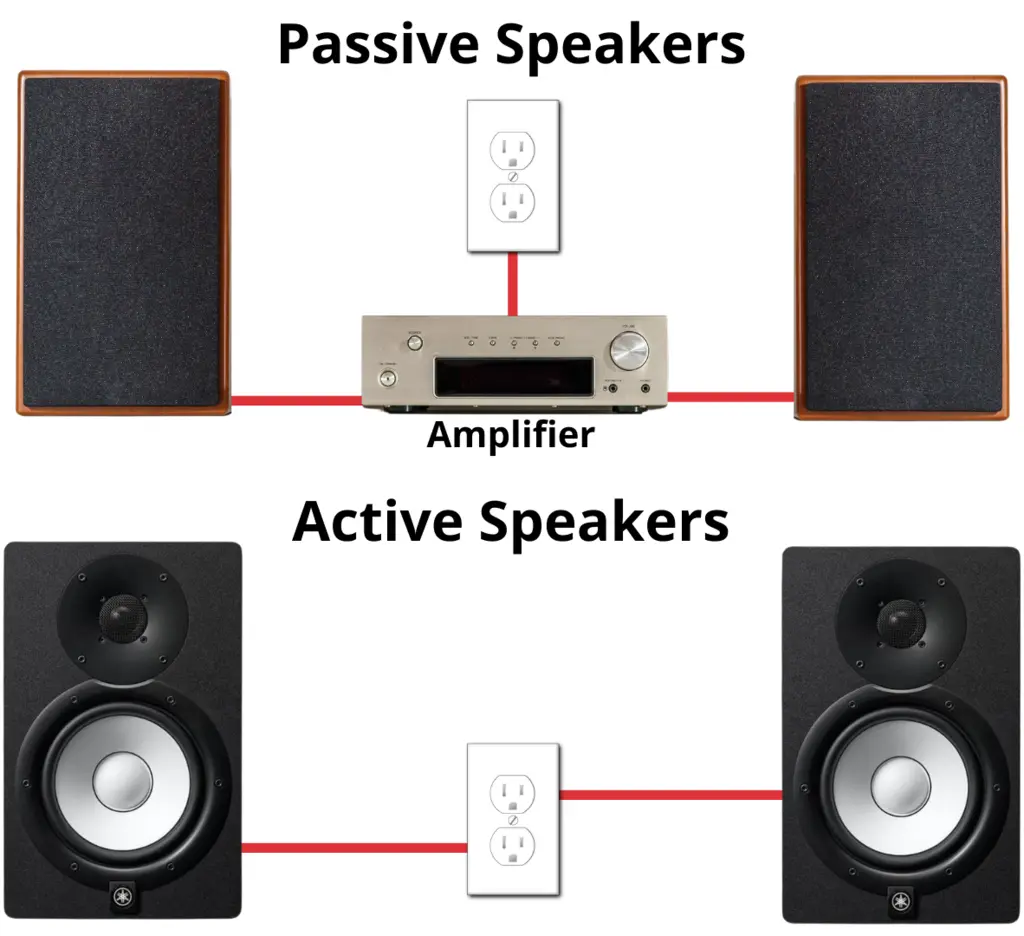
Active speakers, sometimes called powered speakers, contain built-in amplification.
This means the amplifier is integrated directly into the speaker cabinet, eliminating the need for a separate external amplifier.
Most active speakers require only:
- A power connection
- An audio source
- Optional network or wireless connectivity
Because the amplifier is specifically matched to the speaker drivers, active systems can offer excellent efficiency and performance.
What Are Passive Speakers?
Passive speakers do not contain built-in amplification.
Instead, they require an external amplifier or AV receiver to power them.
The signal path typically looks like this:
Source → Amplifier / Receiver → Speakers
Passive speakers remain the most common choice for traditional hi-fi systems and home theaters.
Why Understanding the Difference Matters
Choosing between active and passive speakers affects:
- Installation complexity
- Upgrade possibilities
- Overall system cost
- Future flexibility
- Sound performance
- Room integration
Neither solution is universally better. The best choice depends on your goals and environment.
Advantages of Active Speakers
Simpler Installation
Active speakers eliminate the need for a separate amplifier.
This reduces:
- Equipment count
- Cable complexity
- Setup time
Many active systems are nearly plug-and-play.
Amplifier and Speaker Optimization
Manufacturers design the amplifier specifically for the speaker drivers.
Benefits include:
- Improved efficiency
- Better crossover performance
- Optimized power delivery
- Consistent sound quality
Smaller Footprint
Because amplification is integrated, active systems often require less space.
This makes them attractive for:
- Apartments
- Living rooms
- Offices
- Modern interiors
Modern Connectivity
Many premium active speakers include:
- Bluetooth
- Wi-Fi
- AirPlay 2
- Streaming services
- App control
- Multiroom functionality
These features make active systems particularly convenient.
Disadvantages of Active Speakers
Limited Upgrade Flexibility
Because the amplifier is built in, upgrading individual components is often difficult.
If you wish to change amplification characteristics, you may need to replace the entire speaker.
Power Requirements
Each speaker requires electrical power.
This can complicate placement in certain rooms.
Potential Service Complexity
If amplification electronics fail, servicing may be more complex compared to passive speaker systems.
Advantages of Passive Speakers
Greater Flexibility
Passive speakers allow users to choose:
- Amplifiers
- AV receivers
- Streamers
- DACs
This flexibility is highly valued by audiophiles and enthusiasts.
Easier System Upgrades
You can upgrade individual components without replacing the entire system.
For example:
- New amplifier
- Better receiver
- Improved streamer
while keeping the same speakers.
Ideal for Home Theater Systems
Most Dolby Atmos and surround sound systems are built around passive speakers and AV receivers.
This allows greater scalability and customization.
Wide Product Selection
The passive speaker market offers enormous variety across all price ranges.
Disadvantages of Passive Speakers
More Equipment Required
Passive systems require:
- Amplifier or AV receiver
- Speaker cables
- Additional setup
This increases complexity.
More Space Needed
Separate electronics require additional furniture or rack space.
Matching Components Matters
Poor amplifier-speaker matching can limit performance.
Proper system design becomes more important.
Active vs Passive Speakers: Sound Quality
One of the biggest misconceptions is that one type automatically sounds better than the other.
The truth is:
Both active and passive speakers can deliver exceptional performance when properly designed and matched to the application.
Sound quality depends on:
- Speaker design
- Driver quality
- Amplification quality
- Room acoustics
- Placement
rather than simply whether the speaker is active or passive.
Active Speakers for Music Listening
Active speakers are often ideal for:
- Streaming music
- Apartments
- Modern living rooms
- Minimalist setups
- Casual listening
- Multiroom systems
Premium active solutions can provide remarkable sound quality with minimal complexity.
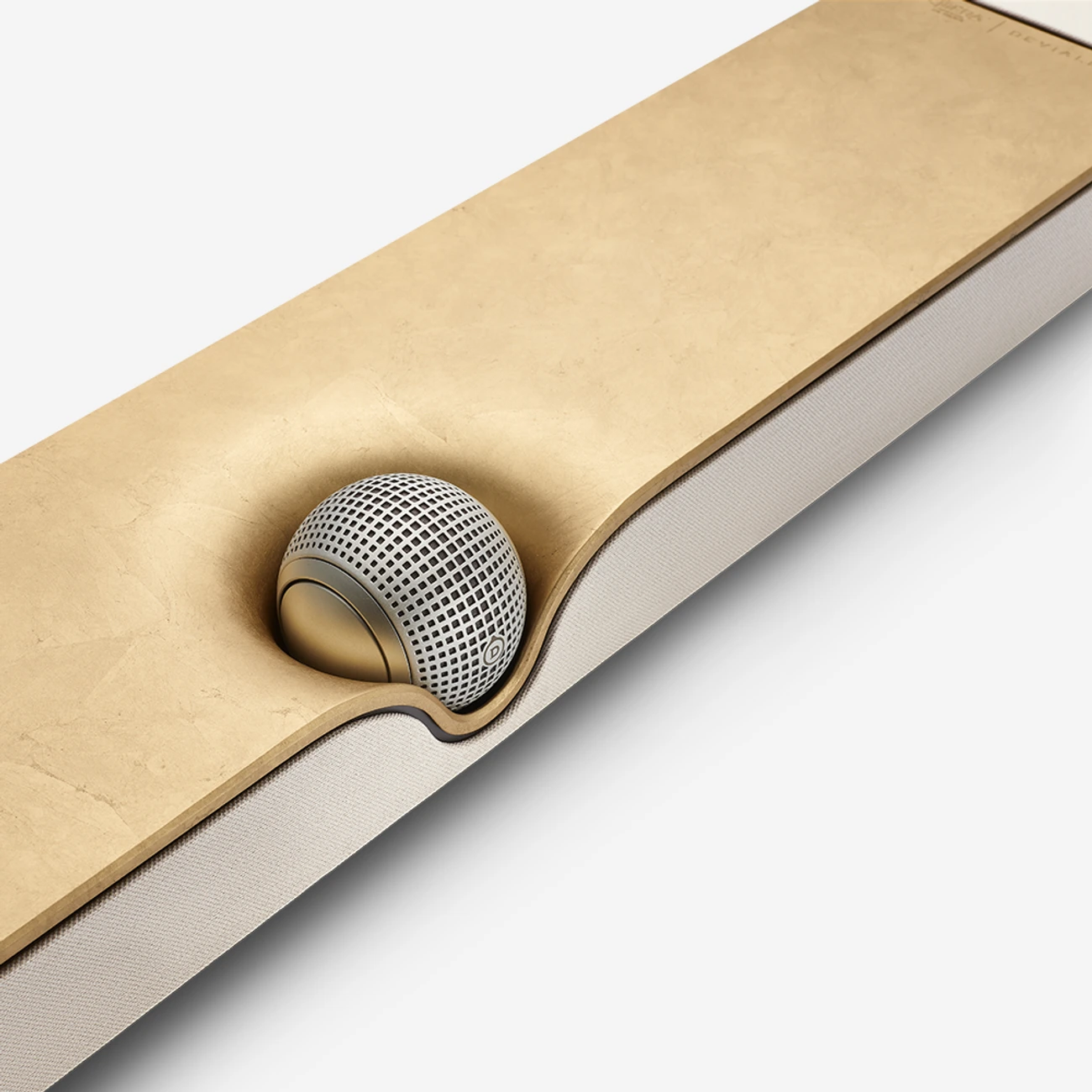
Examples include systems from:
- Devialet
- Cabasse
- Genelec
Passive Speakers for Home Theater
Passive speakers dominate the home theater world.
They are particularly suitable for:
- Dolby Atmos systems
- Dedicated cinema rooms
- Large living rooms
- Multi-channel installations
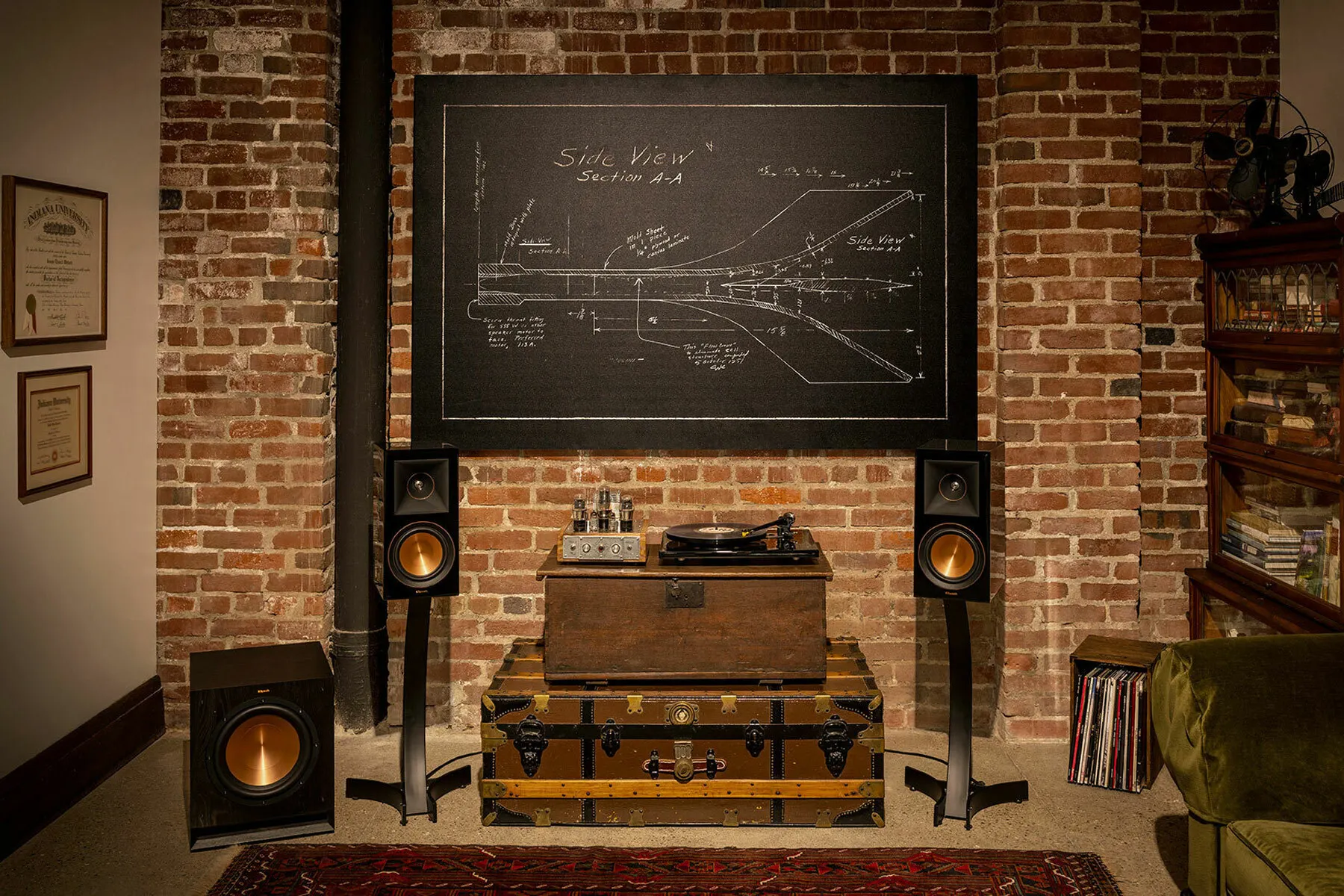
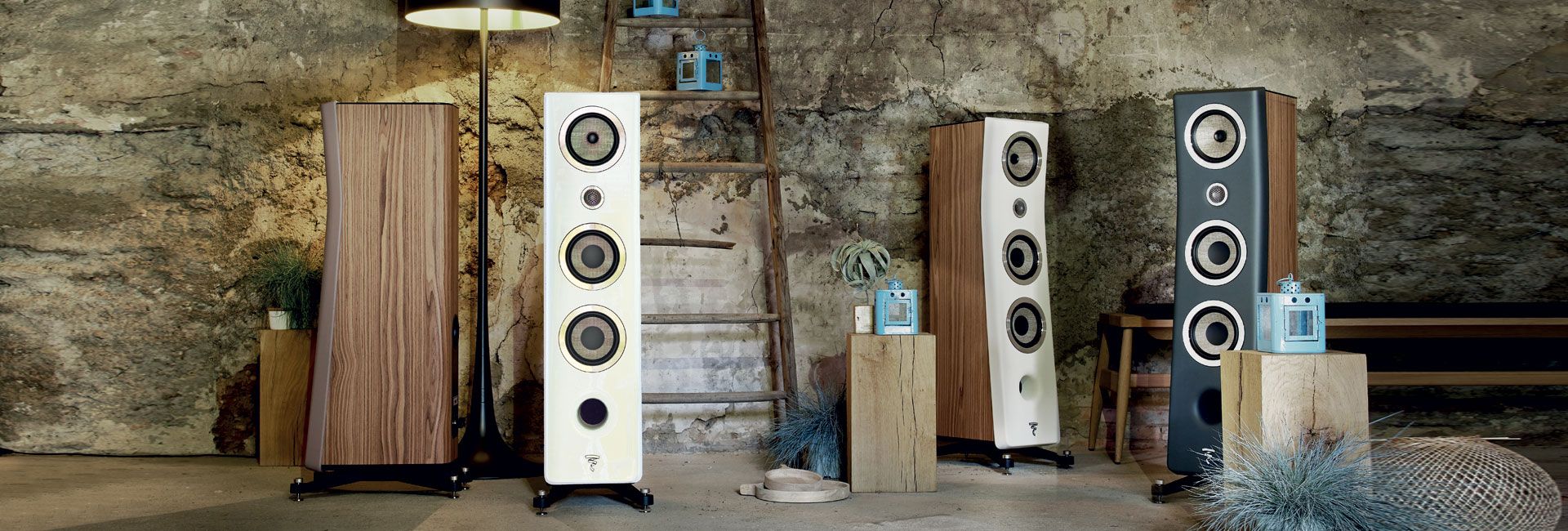
Popular passive speaker manufacturers include:
- Focal
- Cabasse
- Davis Acoustics
- Klipsch
Which Is Better for Small Rooms?
Small rooms often benefit from active speakers because:
- Less equipment is required
- Installation is easier
- Space is conserved
- Streaming features are usually included
For many apartment owners, active speakers provide the most practical solution.
Which Is Better for Large Rooms?
Large rooms often benefit from passive systems because:
- Greater upgrade flexibility
- More amplification options
- Easier system expansion
- Better suitability for surround sound
Active Speakers vs Passive Speakers for Dolby Atmos
This is a common question.
While active Atmos systems do exist, most serious Dolby Atmos installations use passive speakers combined with an AV receiver.
Benefits include:
- Easier channel management
- Greater scalability
- Better upgrade options
- Wider product selection
For dedicated home theaters, passive systems are generally the preferred solution.
Common Mistakes When Choosing Speakers
Buying Based Only on Convenience
Convenience is important, but long-term goals should also be considered.
Ignoring Future Expansion
Consider whether you may want surround sound or additional speakers later.
Underestimating Room Size
Speaker selection should always match the room.
Focusing Only on Specifications
Real-world performance matters more than specifications alone.
Not Considering System Integration
Speakers should work seamlessly with the rest of the system.
Why Work With an Audio Consultant in Lebanon?
Selecting the right speaker system involves more than choosing between active and passive designs.
Factors such as:
- Room size
- Listening habits
- Interior design
- Future upgrade plans
- Budget
- Equipment compatibility
all influence the ideal solution.
At Lux Audio, we provide residential audio consultancy and home theater consultancy services throughout Lebanon.
Whether you’re building a two-channel music system, upgrading your living room audio, designing a Dolby Atmos home theater, or creating a luxury entertainment space, our team can help identify the right products and system configuration for your needs.
Frequently Asked Questions
Are active speakers better than passive speakers?
Neither is inherently better. The best choice depends on the application, room, and user requirements.
Do active speakers need an amplifier?
No. Active speakers contain built-in amplification.
Can active speakers be used for home theater?
Yes. However, most dedicated Dolby Atmos and surround sound systems use passive speakers and AV receivers.
Why do audiophiles often use passive speakers?
Passive systems provide greater flexibility for upgrading and matching components.
Are active speakers worth it?
Absolutely. Modern active speakers offer excellent sound quality, convenience, and integrated features.
Which is best for a living room?
Both can work well. Active speakers often provide greater simplicity, while passive systems offer greater customization and future flexibility.
Audio Consultancy in Lebanon
At Lux Audio, we provide professional residential audio consultancy and home theater consultancy services across Lebanon.
Whether you are considering active speakers, passive speakers, multiroom audio systems, amplifiers, streaming solutions, or a complete home theater installation, our team can help you choose the right solution based on your room, lifestyle, budget, and long-term goals.
Our objective is to help clients throughout Lebanon create audio systems that combine outstanding performance, reliability, aesthetics, and ease of use.
Conclusion
Both active and passive speakers can deliver exceptional listening experiences when chosen correctly.
Active speakers offer convenience, simplicity, and modern connectivity, making them ideal for users seeking a streamlined solution. Passive speakers provide greater flexibility, upgrade potential, and scalability, making them the preferred choice for many audiophiles and home theater enthusiasts.
The best speaker system is not necessarily the most expensive or the most complex. It is the one that best matches your room, listening habits, performance expectations, and future plans.
If you’re unsure whether active or passive speakers are the right choice for your home in Lebanon, contact Lux Audio for professional audio consultancy and personalized recommendations tailored to your specific requirements.
The Trinity of Sound
Empowering Sound. Elevating Creativity.
At Lux Audio, our mission is to empower musicians, producers, and artists by delivering exceptional audio production services that transform their creative visions into sonic masterpieces. We are dedicated to blending innovation, artistry, and technical expertise to craft immersive soundscapes that inspire and elevate every performance, recording, and production. By fostering collaboration and pushing the boundaries of audio excellence, we strive to be the trusted partner for creators worldwide.